Outer Banks Beaches Guide
From the wide, undeveloped shorelines of Cape Hatteras National Seashore to lifeguarded family beaches in Nags Head and Kill Devil Hills, the Outer Banks offers a beach for every kind of day.
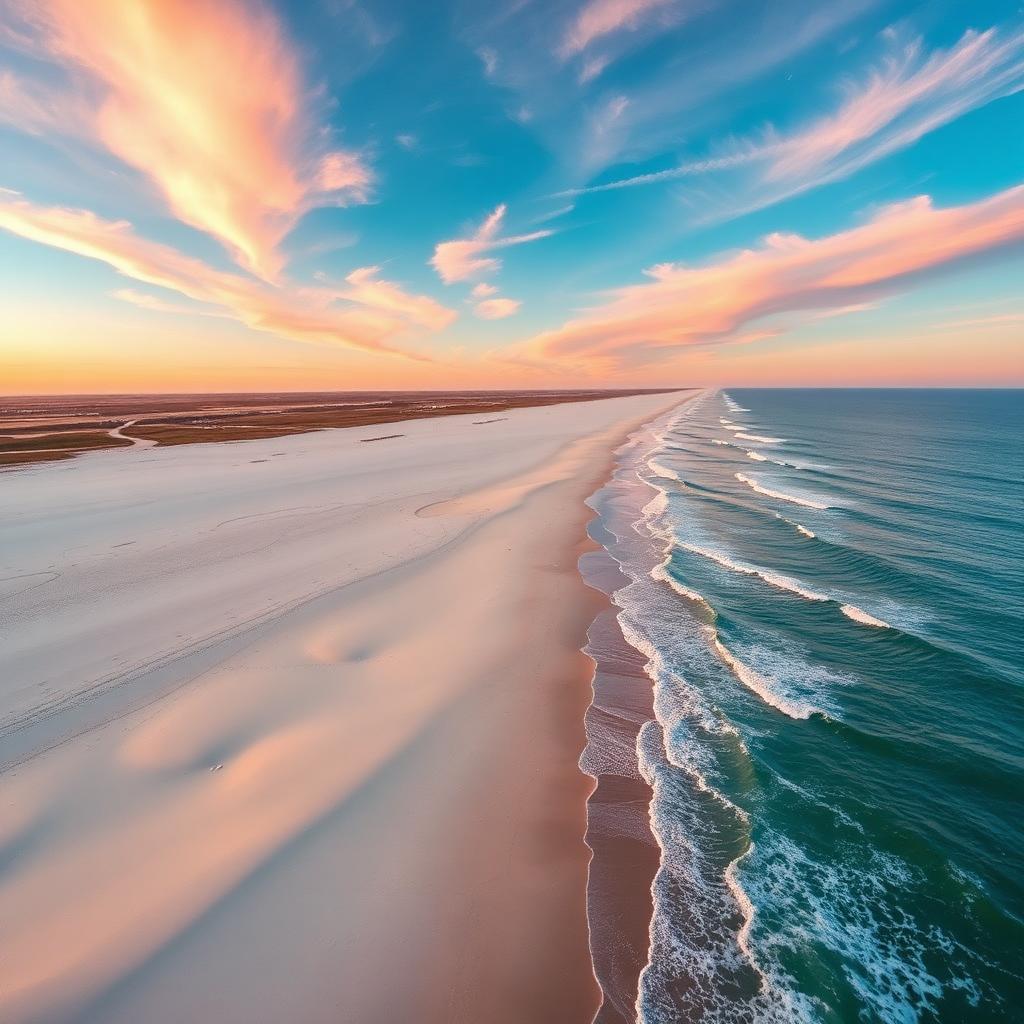
Coquina Beach
Free parking, bathhouses, outdoor showers and picnic shelters. One of the few Outer Banks beaches with a large paved lot right at the sand.
Best for: First-time visitors and families who want facilities.
Jennette's Pier Beach
Wide, lifeguarded beach beside the 1,000-foot fishing pier. Easy paid parking and restrooms inside the pier building.
Best for: Swimming, boogie boarding, watching anglers work the pier.
Kill Devil Hills Lifeguarded Beach (Ocean Bay Blvd)
Seasonal lifeguards, handicap-accessible ramp and a mobi-mat to the water. Street parking fills early in July.
Best for: Families with young kids and visitors who need accessible access.
Corolla Beach at the Currituck Lighthouse
Wide, uncrowded sand right beside the brick Currituck lighthouse and historic Whalehead. Combine a swim with a climb.
Best for: Slower days that mix beach time with sightseeing.
Cape Hatteras National Seashore — Coquina to Oregon Inlet
Miles of protected shoreline managed by the National Park Service. No boardwalks, no shops — just dunes, sand and sea.
Best for: Long walks, shelling, sunrise photos, dogs on leash.
Ocracoke Lifeguarded Beach
Regularly ranked among the best beaches in the U.S. Free parking lot, bathhouse, seasonal lifeguards and almost no development in sight.
Best for: A day trip after the ferry ride from Hatteras.
- •Check the daily flag at lifeguarded accesses — red flags mean stay out; yellow means strong current.
- •Rip currents are the number-one hazard. If caught, swim parallel to shore until you're free, then angle back in.
- •Shorebreak on steep beaches can injure necks and shoulders. Never dive head-first into a wave.
- •Fill in every hole you dig before you leave — collapses have killed beachgoers on the Outer Banks.
- •Leave nesting shorebird and sea turtle closures alone; fines are steep and the birds are federally protected.
The barrier islands make more sense from 500 feet — dunes, inlets, wrecks and lighthouses lined up in a single view.
Book a helicopter tour